في أكاديمية الإبداع، نؤمن أن كل متعلم هو مشروع نجاح. نقدم لك تدريبًا احترافيًا مبنيًا على خبرة حقيقية ومعايير عالمية، لتكون مستعدًا للمنافسة بثقة.
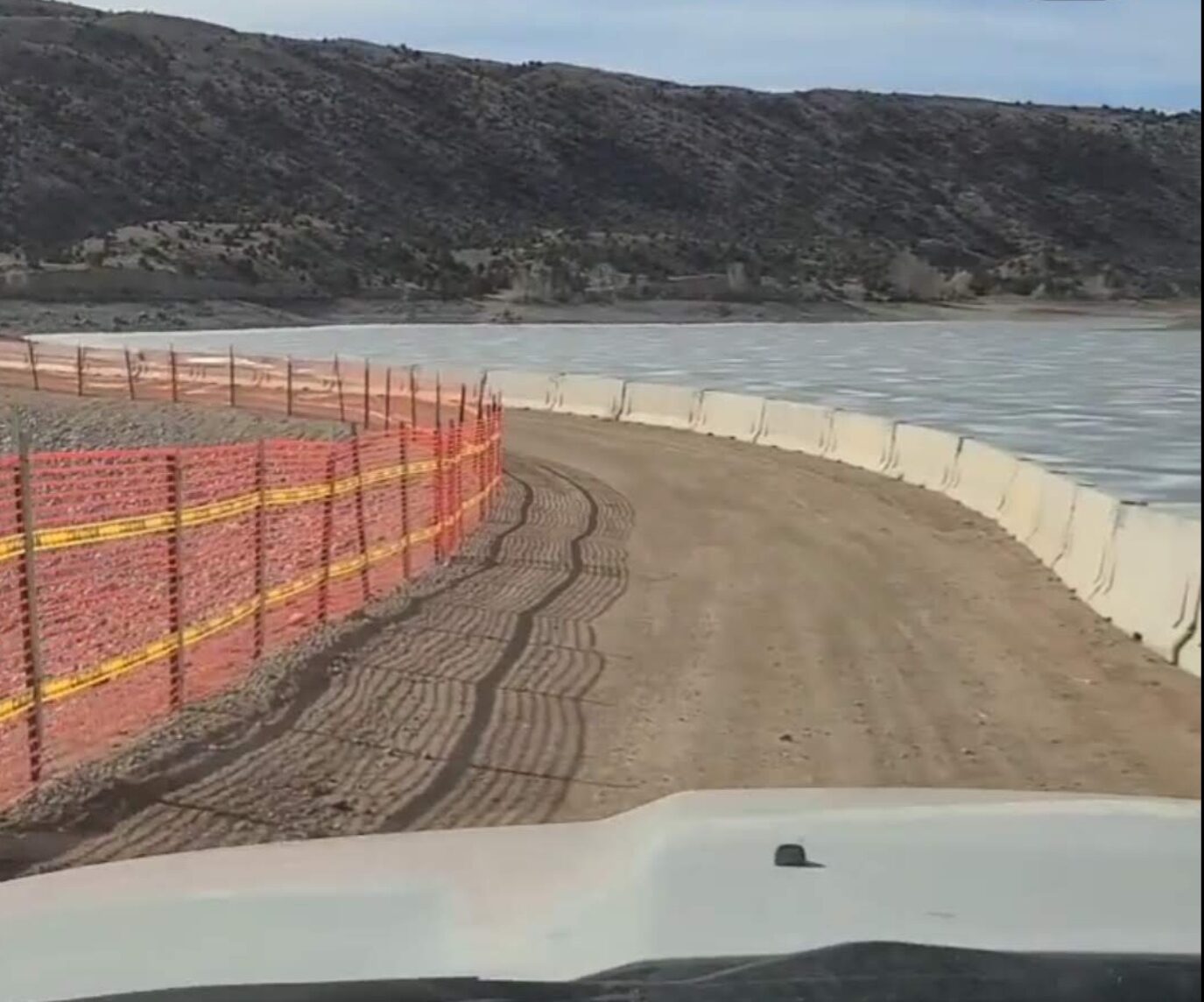
Engineering and professionalism, to go beyond the usual scope of implementation to become a model for phased planning, quality assurance, and risk management.
The project study analysis was completed based on project management principles, taking into account that infrastructure and dam projects require long-term phased planning. The project’s theoretical vision also includes the concepts of sustainability and risk management as essential pillars of success.
The project was implemented according to a strategic plan comprising three main phases. The design preparation for the second phase began in parallel with the implementation of the first phase, which contributed to reducing time gaps. The success of the first phases was reflected in creating a suitable environment for transitioning to the third phase. The project relied on a phased planning methodology that allows for the integration of implementation with design. This contributed to enhancing time efficiency and achieving high quality throughout all phases of implementation.
As with any project, it presents several challenges, including geology, soil nature, and legal restrictions related to the protection of ecosystems. These risks were addressed through the adoption of alternative plans and continuous risk assessment.
The project confirmed its economic feasibility by supporting water resources, developing agricultural and industrial activities, and increasing hydroelectric power. It also provided direct and indirect job opportunities in the long term.
The importance of phased planning and continuous risk assessment was highlighted. The need to engage the local community was also highlighted.